


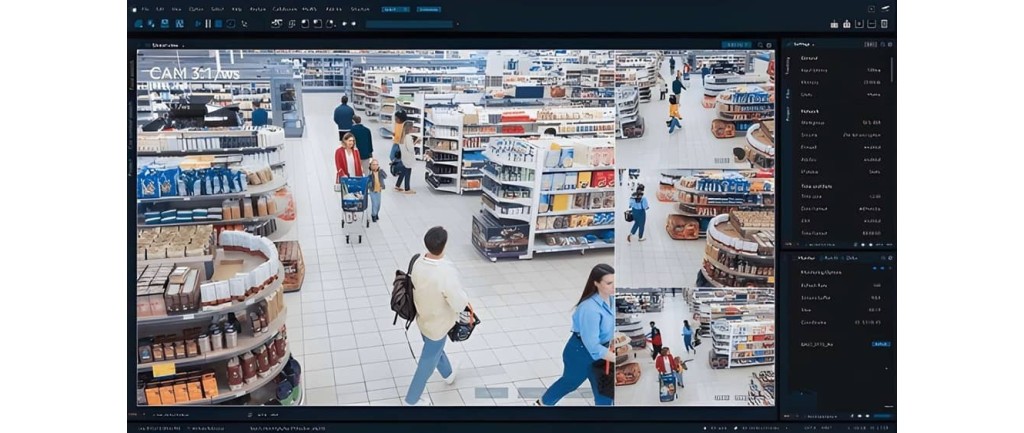
Shoplifting and retail crime cost Australian businesses over $9 billion each year, according to research conducted by the Australian Retailers Association. As well as stock walking out the door with shoplifting, retailers need to deal with staff theft, organised gangs of thieves, and the general assorted risks involved with a cash and stock-heavy business. As a smaller business, even a single incident can bite into your bottom line.
A well-placed CCTV system is one of the smartest investments a Melbourne retailer can make, acting as both a visible deterrent and solid evidence when incidents do occur. In this article, we’ll look at how CCTV helps reduce shoplifting, where cameras should go for the best coverage, and what else retailers can do to protect their stock and staff.
Why Retail Stores Are a Target for Shoplifting
Retail stores are designed to be open and welcoming, to attract shoppers into the store. High customer traffic, open displays to encourage browsing, easy exits and often limited staff oversight, make retail stores an easy target for shoplifters.
Why Retail Stores Are Vulnerable
- > Open Access: Products are placed within arm’s reach of customers to encourage sales, making them easy to grab.
- > Crowds and Rush: High volumes of shoppers make it hard for staff to watch everyone at once.
- > Hidden Spots: Aisles, corners, and stockrooms create blind spots out of view from cash registers.
- > High-Demand Goods: Items like cosmetics, baby formula, electronics, and small luxury goods are easy to hide and resell.
Closed-circuit television (CCTV) systems can help limit these vulnerabilities. They can monitor zones when the staff are unable to, they can record incidents for use as evidence, and they provide a visual deterrence just by being there.
How CCTV Reduces Shoplifting in Retail Stores
You can reduce the risk of shoplifting by having visible CCTV cameras. It raises the perceived risk of being caught or identified. Strategic placement of cameras and smart analytics can discourage both the opportunistic crimes of shoplifters, and the organised retail crime of staff.
As well as being visible, signs telling customers they’re on camera can also be a deterrent. You can also have real-time warnings. Audio prompts triggered by motion sensors, or footage on local screens of people in the store are also highly visible ways to alert people that they’re on camera.
AI can be used for behavioural analytics in real-time. Behaviour such as shelf sweeping, pocket concealment or loitering near expensive goods, can all be detected by AI and alert floor staff quickly.
Further Benefits
This same technology can be used at the checkout to flag any discrepancies with the item being scanned and the price displayed, in cases where people may have swapped barcodes.
CCTVs can also help with investigations. Time and date of incidents help pinpoint when the theft occurred, and good resolution cameras can help identify the people involved. In some cases, facial recognition can tell you when someone is in the store who has shoplifted before.
The footage helps with police investigations. It can reduce the chance of mis-identifying someone based on memory and eye-witness alone.
Best Camera Placement for Loss Prevention
You can’t put CCTVs just anywhere and expect the best results. Covering points of sale, exits and entrances, and high-value items are the first steps for intelligent camera placement. Cameras watching loading docks and stock rooms are also a good idea, as retail theft is not always on the shop floor.
Mount the cameras close to the roof, 3 metres off the ground. This gives good height to look over shelves and minimise blind spots, yet is not too far from the ground to capture clear facial features.
For staff theft prevention, you do not place CCTV cameras in toilets or rest rooms. This is in fact illegal.
Critical Zones for Camera Placement
- > Main Entrances and Exits: Mount identification-grade cameras facing inward and outward at 2.5 to 3 metres to capture clear facial images of everyone entering or leaving.
- > Points of Sale (POS): Position dual-coverage angles over cash registers and payment terminals. One angle should track the cashier’s hand movements and drawer access, while the second records customer interaction to combat internal fraud and cash discrepancies.
- > High-Value and Vulnerable Displays: Target expensive inventory, electronics, or tight corners with high-resolution fixed or varifocal lenses. Align product placement and sightlines so that floor fixtures remain low enough to prevent blind spots.
- > Stockrooms and Loading Docks: Cover internal staging zones, high-risk employee hallways, and exterior delivery doors to manage vendor shrink, internal theft, and unauthorised stockroom access.
Choosing the Right CCTV System for Your Retail Store
Picking the right CCTV retail system for your store comes down to a few key things: coverage area, resolution, back-end tech, and budget. Top brands like Hikvision, Dahua, and HiLook offer reliable options ranging from entry-level HD to advanced smart surveillance with night vision and remote viewing.
Hikvision
For retailers after the most advanced setup, Hikvision is hard to beat. Its cameras come with smart analytics like facial recognition and intrusion detection, giving store owners a genuine edge when it comes to identifying repeat offenders or catching incidents as they happen. It’s a strong choice for larger stores or retailers who want the widest range of models to fit different areas of the shop, from entry points to stockrooms.
Dahua
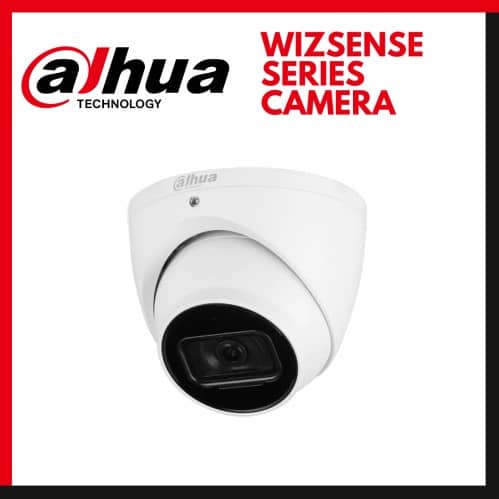
Dahua strikes a solid balance between performance and price. Its cameras are known for producing clear footage even in low light, which matters for stores that stay open into the evening or need reliable coverage after closing. Combined with AI-driven motion detection that can tell the difference between a person and a passing car or shadow, Dahua is a practical option for retailers who want smart features without paying for the top tier.
HiLook
For smaller retail stores working with a tighter budget, HiLook delivers dependable HD coverage without the extra cost of advanced analytics. It’s a straightforward, no-fuss system that still gives store owners clear footage of the shop floor and entry points, making it a smart entry point for retailers who want solid loss prevention basics covered first.
Other Key Factors to Consider
- > Camera Resolution: Higher megapixels give sharp details for reading price tags or seeing faces clearly.
- > Low Light Performance: Good night vision helps watch the store after closing hours.
- > Storage Needs: Network video recorders (NVRs) save days or weeks of video footage.
- > Remote Access: Mobile apps let store owners view live feeds from any place at any time.
CCTV and the Law: What Retailers Need to Know
If you’re thinking of using CCTV in your retail space, you need to understand the Australian law, and Victoria’s Surveillance Devices Act 1999. Video monitoring is legal for security and safety reasons,
as long as it is transparent and labelled. People must know they are being filmed. You cannot monitor private areas and your information collection complies with the Office of the Australian Information Commissioner (OAIC) guidelines regarding personal data.
Where You Can and Cannot Place Cameras
- > Allowed: Shop floors, entry/exit points, and point-of-sale (POS) registers where there is no reasonable expectation of privacy.
- > Strictly Prohibited: Bathrooms, change rooms, staff break rooms, and first-aid bays.
- > Exclusions: Cameras must not point directly into neighbouring private properties or public spaces in an intrusive manner.
Signage and Transparency
- > Clear Signs: Display prominent, easy-to-read notices at all store entrances warning customers and staff that video surveillance is active.
- > Staff Notice: Inform employees in writing before monitoring work areas.
- > Facial Recognition: Advanced tracking or biometric tools face a very high legal bar; recent OAIC Guidance mandates explicit transparency and justification if used.
Audio and Data Rules
- > Audio Recording: Turn off camera microphones. Recording private conversations without consent violates listening device laws.
- > Data Security: Store footage securely with restricted access, strong passwords, and encryption.
- > Retention and Deletion: Keep footage only as long as needed for safety or incident reporting (typically 14 to 30 days) before securely deleting or overwriting it.
Beyond Cameras: Other Loss Prevention Measures That Work With CCTV
There are more ways you can help reduce store crime besides just CCTV cameras.
Place cash registers at the front of the store. If people have to pass through the register areas before leaving, it can reduce shoplifting by up to 60%.
Have wide aisles and shelves as low as possible. If staff can see over the shelves to other aisles, it can help with monitoring or deterrence. If you have any blind spots in the aisles, consider using convex mirrors to help with visibility.
Put electronic article surveillance (EAS) tags on clothes and high-price items. RFID tags can also be used and implemented to help with monitoring. Have security gates at the exits to activate if one of these alarms passes through.
It’s also good to lock up high-value goods, such as electronics and even baby formula. You will often see spray paints locked in cages at hardware stores, for example.
You can train staff in ways of monitoring. Greet every person who walks through the door. Psychologically, people feel less inclined to steal if someone has said hello, because they know a staff member is aware of their presence, creating a personal connection.
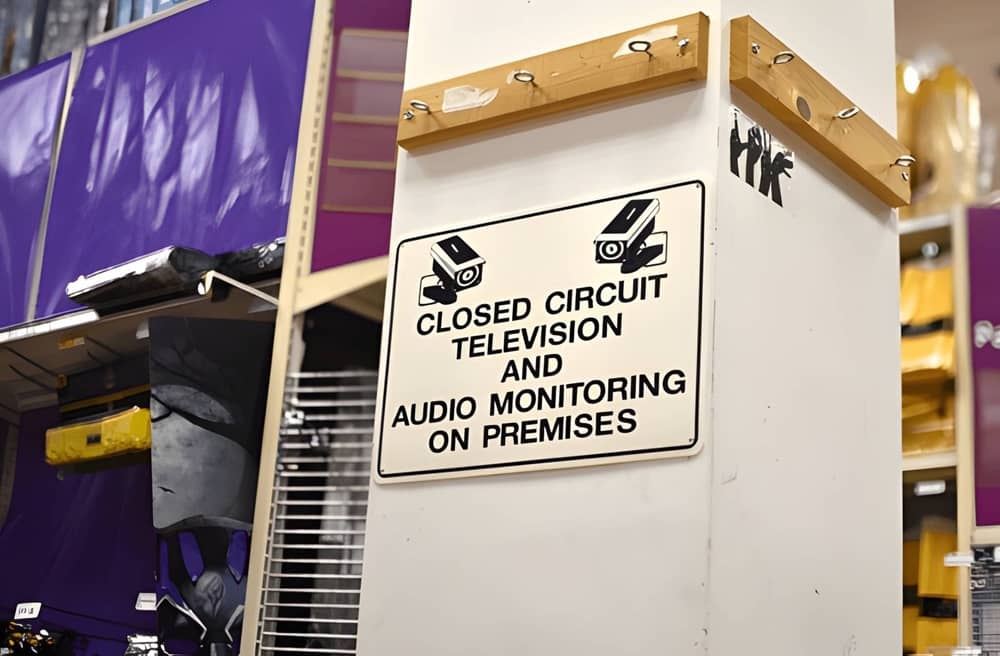
Hang signs reminding people they are under surveillance and try to keep your store brightly lit so there are no dark corners that can hamper monitoring efforts.
Also conduct regular stock checks to find missing items. This can help you find a pattern of behaviour and adapt your security measures. Restrict employee access to areas, based on experience and seniority. Have clear employee training for security and expectations.
Get a Retail CCTV System Installed by VIP Security
Shoplifting and retail crime aren’t going away, but the right CCTV setup makes a real difference to how much of it you catch, prevent, and act on. From smart camera placement at entrances and points of sale, to choosing a system that fits your store’s size and budget, a well-planned CCTV solution is one of the most effective investments a retailer can make in protecting stock, staff, and profit margins.
VIP Security has been designing and installing security systems for Melbourne businesses for over 30 years, working with trusted brands like Hikvision, Dahua, and HiLook to build a system that’s right for your store. Our team can assess your space, recommend the right camera placement, and handle the full installation so your retail store is protected and compliant from day one.
Contact VIP Security today or call us on 1300 130 115 to get a quote for your retail CCTV system.
